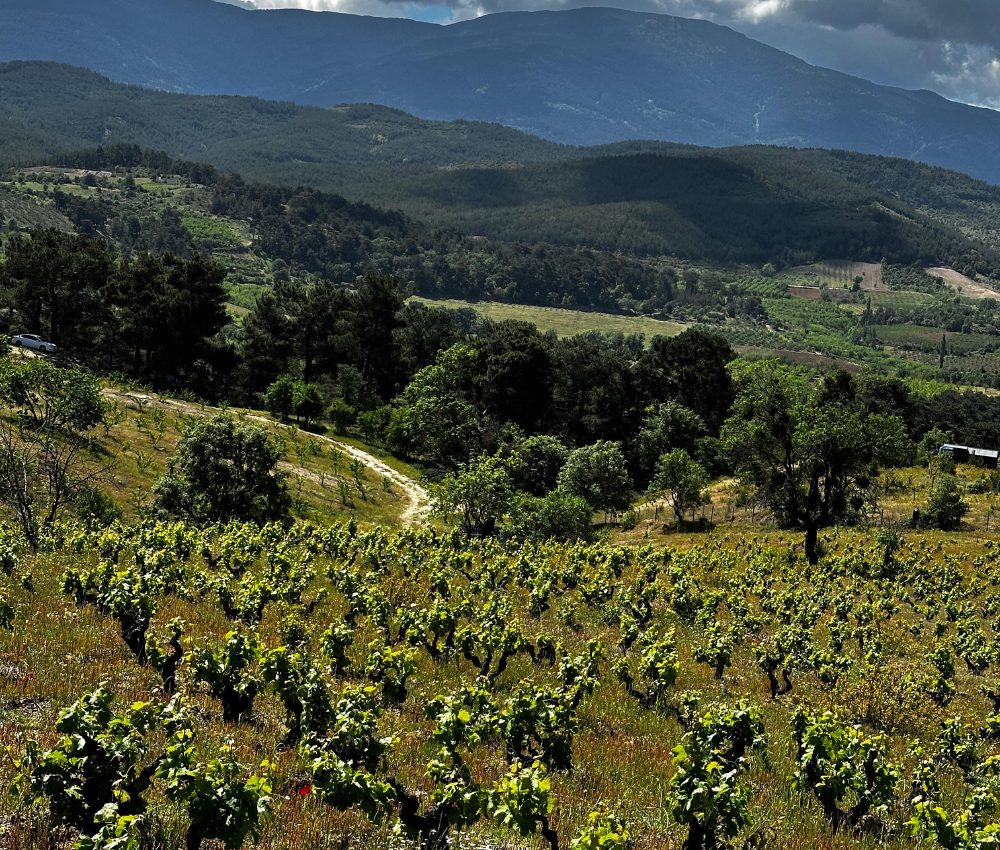

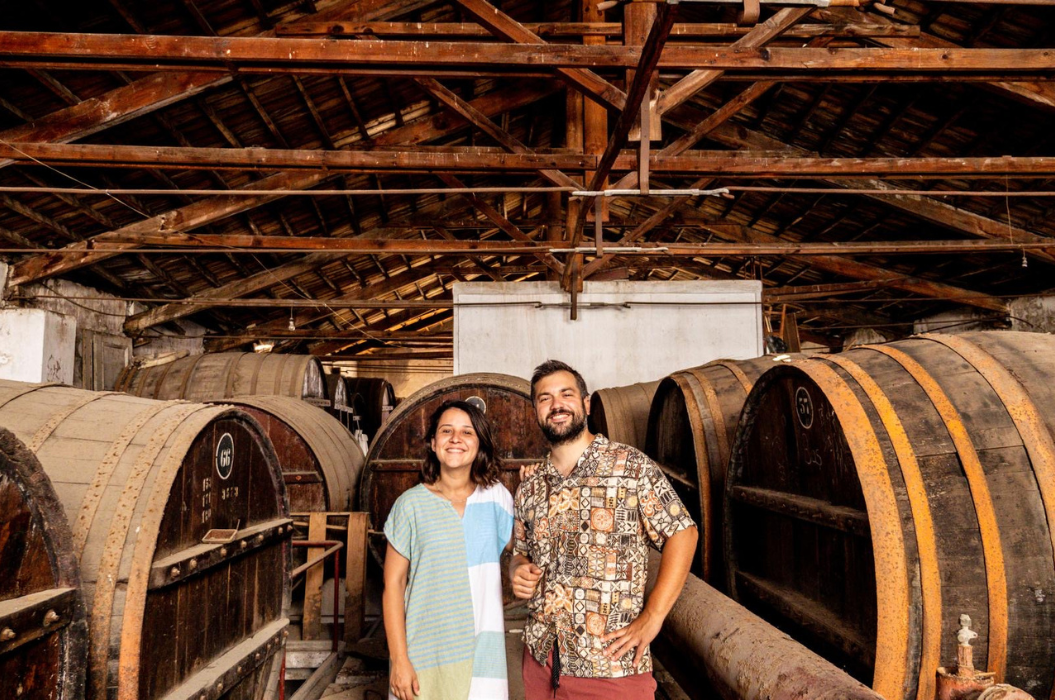
Canavar Bağları was born in the Ida Mountains, in one of the most pristine and energetically charged regions of northwestern Turkey, near ancient Troy. The name Canavar—from the Persian root can (life, soul) and the suffix -var (to have)—does not describe a monster, but something deeply alive. For the producers of the project, Duygu and Can, who began their journey in 2017, the soil, the vineyard, the grape, the wild yeasts, and the wine itself are all living organisms coexisting within the same ecosystem.
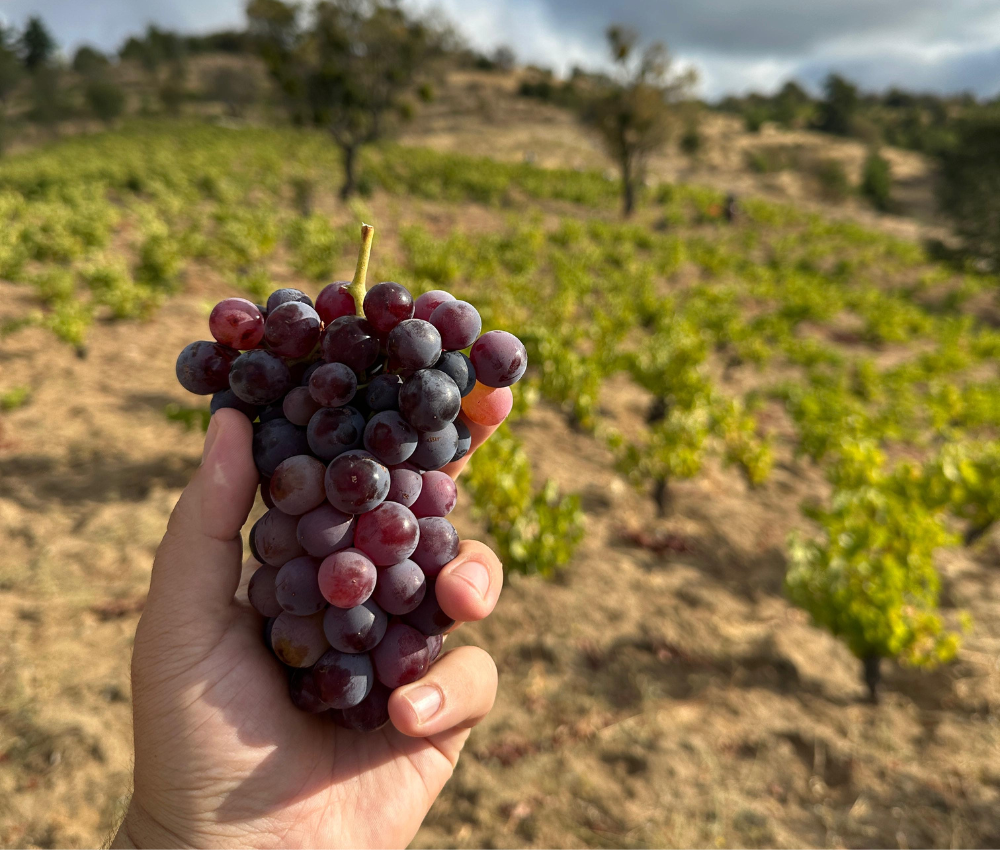
The story of the estate begins with an old Karasakız vineyard planted in the 1980s, at a time when the variety was promoted by the state monopoly Tekel for brandy production. When the factory closed in 2004, Karasakız fell into neglect and many vineyards were uprooted. One of them—now 37 years old—became the starting point of Canavar Bağları. In search of a more ecological way of life, Duygu and Can purchased the property, which included a small plot of Karasakız. At first, there was no intention to produce wine, but this little vineyard ultimately became the foundation of the project.
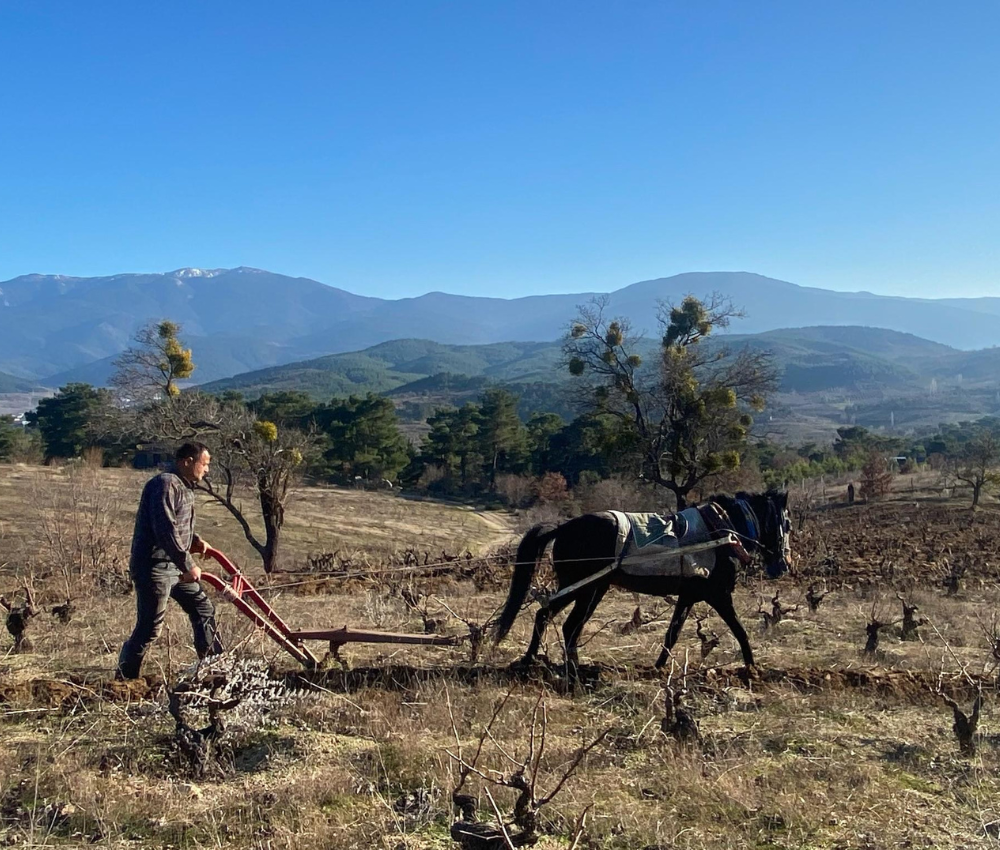
The philosophy is deeply naturalistic and begins with the soil itself. No chemicals or even “approved” products considered harmful to the land are used; the goal is to increase organic matter and create a self-sustaining ecosystem. The estate is surrounded by forest and coexists with olive groves, nectarine trees, and vegetable gardens, enhancing biodiversity. No mechanical means are used.
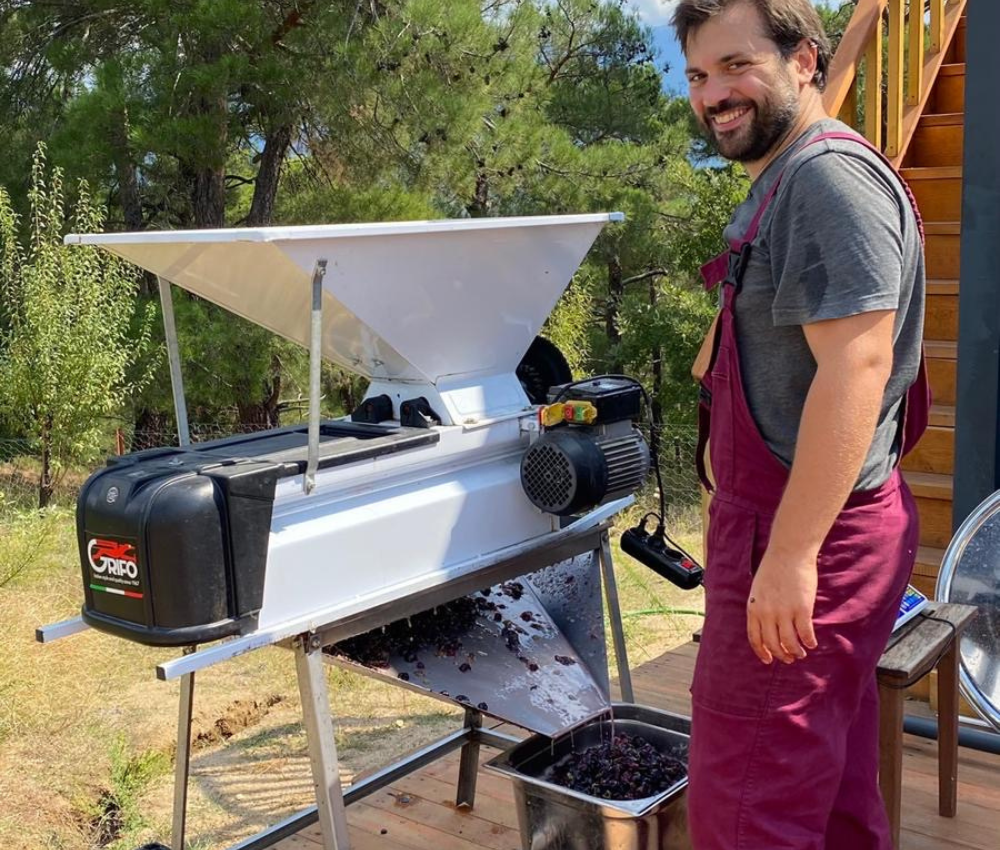
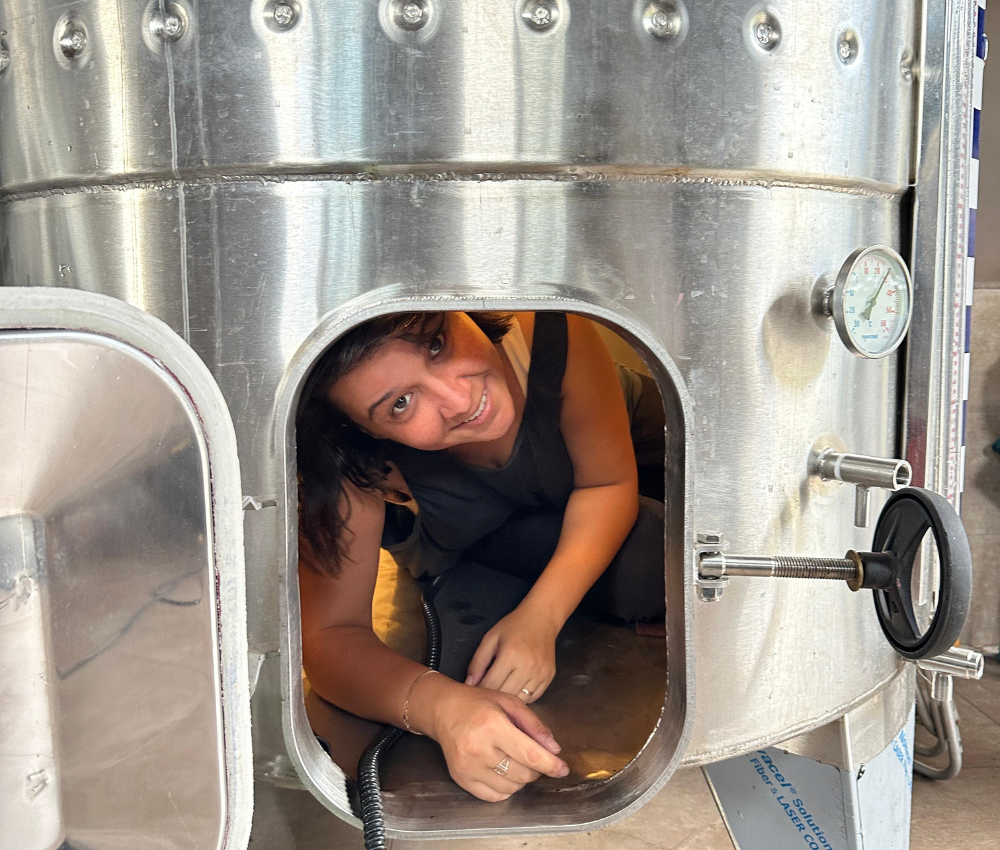
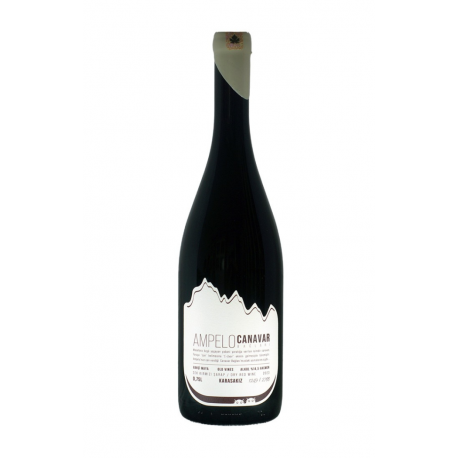
In the cellar, interventions are kept to a minimum: spontaneous fermentations with wild yeasts, low or zero added sulphur, and bottling that preserves the wine’s vitality intact. Ampelo, the estate’s first label, takes its name from the mythical satyr who gave life to the first vine.
Today, Canavar Bağları continues to explore the potential of Karasakız, while gradually turning its attention to other local varieties. Production is truly microscopic.