05475
Available / In Stock
Warning: Last items in stock!
Availability date:
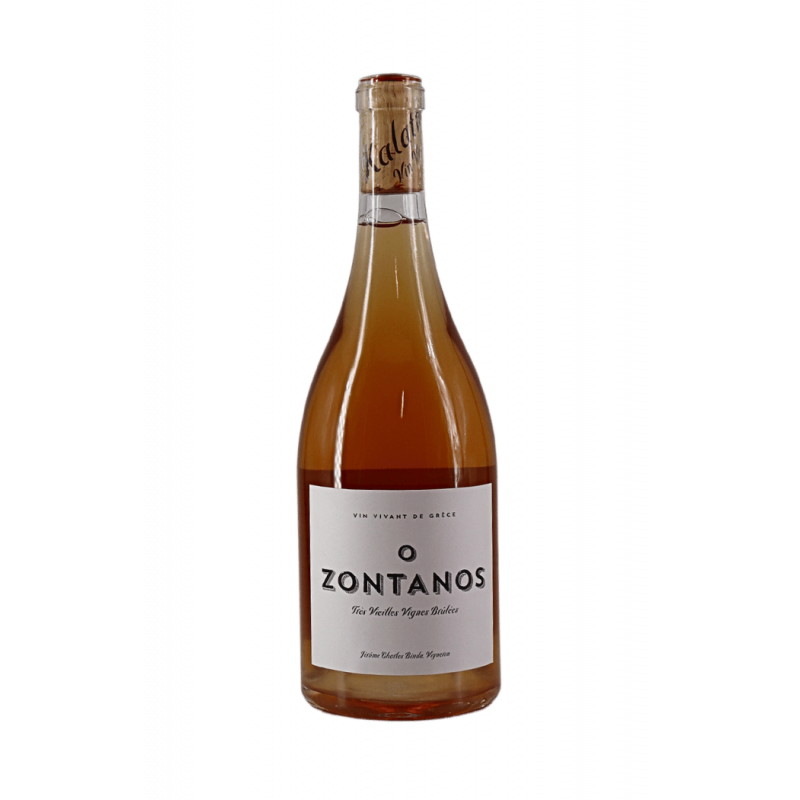
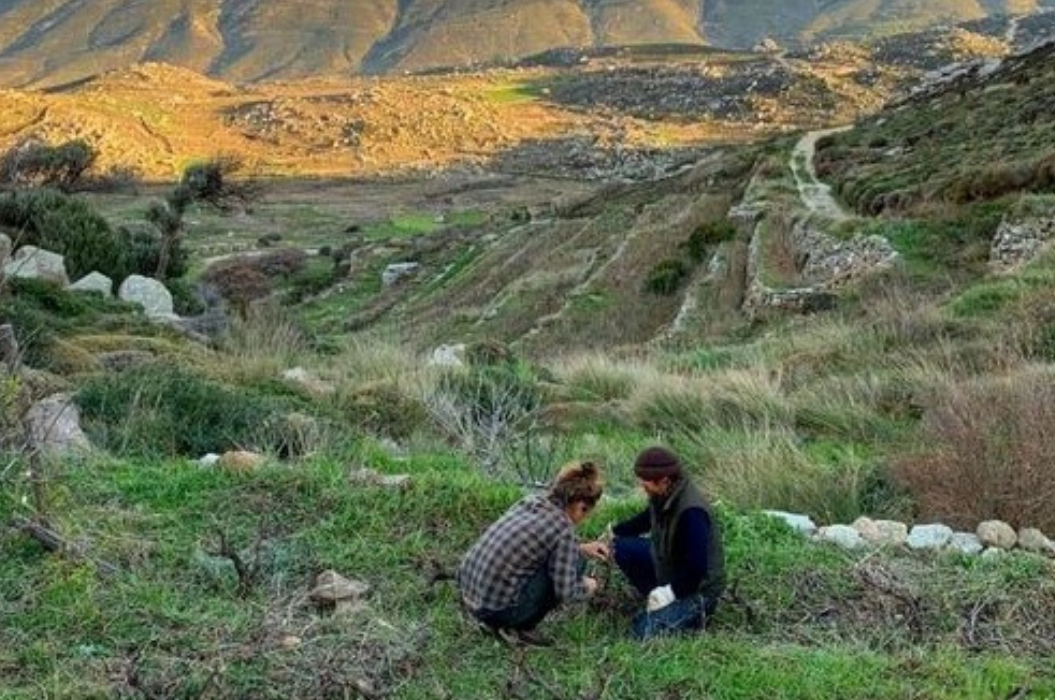
Every year brings something different and Zontanos is a result of that. It is a micro vinification of the White Potamisi variety, which is harvested extremely late (picked last in the harvest) and at a high degree of maturity from Jerome Binda's unique pre-vineyard vines, which are 150 years old. The vines "crawl" into the ground, resembling a bird's nest, and by the time the grapes are picked they are literally "baked" by the sun, hence Binda's reference to it on the label as "Trés Vieilles Vignes Bruleés". Fermentation is extremely slow, the wine has a sense of residual sugars but what is impressive is the richness, ripeness and structure and concentration of the wine. The aromas are as if kissed by the Aegean sun, there is no more "Mediterranean" wine than Zontano. Produced in very few bottles, with absolutely no additives, no sulphites, it is an absolutely unique blend of salt, sea, caramelized fruits like pineapple and wild tannins that balance out any sweetness. A complete "meal" in itself

The name given to it is a reminder of the difficulty that the fruit and the vine face in the conditions of the year. The bunches selected for this micro-pressing were traditionally pressed by foot and then pressed in a vertical wooden press. In this process the must was in prolonged contact with oxygen which is reflected in the oxidative colour of the wine. The wine also has an amazing tannic structure that "washes away" the "heat" of the alcohol and any residual sugars. It is a "steamroller" and is certainly memorable to anyone who tries it. A wine that "radiates" the warmth, maturity and richness of the year from which it came, a wine that has trapped the sun and the aromas of Tinos in the bottle. There is no more terroir than this...
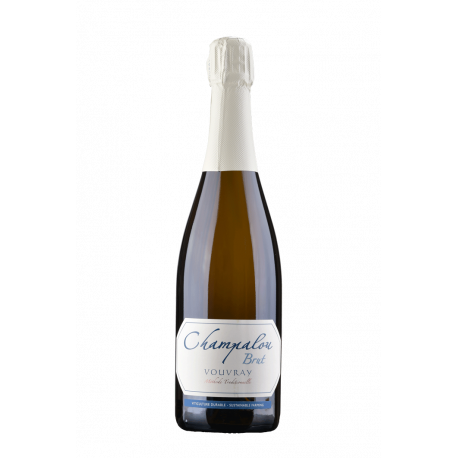
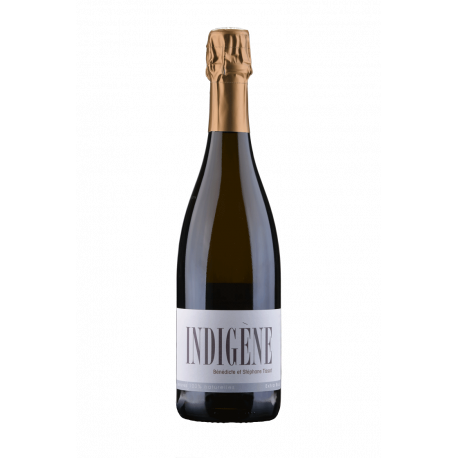
An awesome balance of freshness and oxidative character, a hint of honey aromas and richness reminiscent of the equally wonderful sparkling wines from the Chenin Blanc variety. Indigene does not want or resemble champagne in any way. The slow second fermentation in the bottle, which can last for over six months, contributes to the complexity of the wine,...