05799
This product is no longer in stock
Warning: Last items in stock!
Availability date:
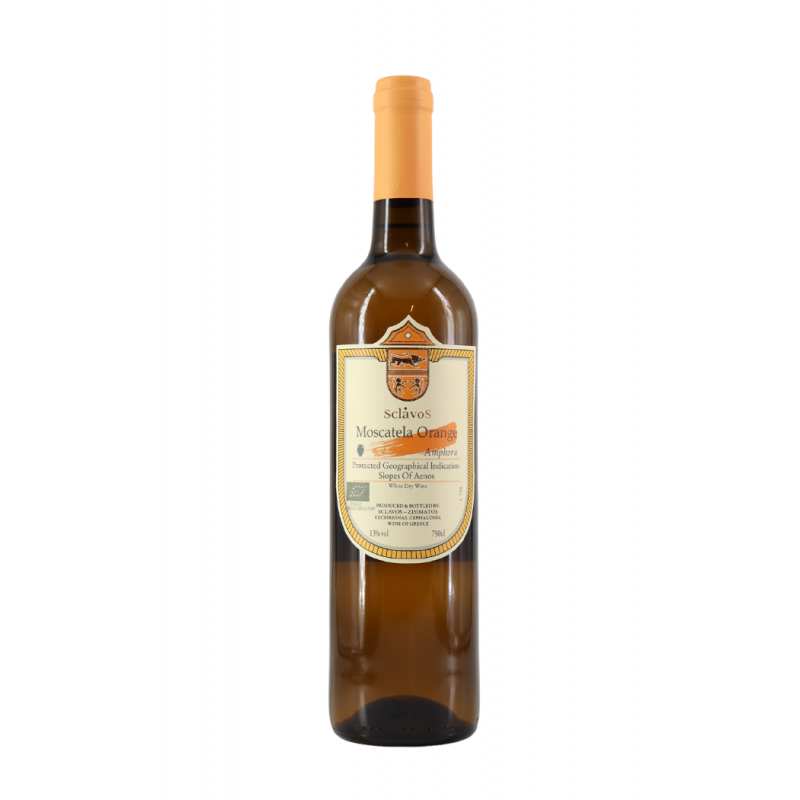
The vinification of Moschatela as a traditional orange wine by Evryviadis Sklavos speaks volumes about the historical significance of the variety on the island of Kefalonia. For decades, along with Tsaoúsi, these were the two grape varieties found in nearly every small vineyard in the Paliki peninsula, used to make the family’s yearly wine. It is believed to be a clone of Muscat of Alexandria, introduced during the French occupation of the island, and it has retained the hallmark of the broader Muscat family: an intensely floral character. In French clay amphorae, this aromatic expression becomes explosive, further enhanced by about 30 days of skin contact that contribute extra layers of complexity. The result is a rich and textured wine, combining ripe apple, overripe tropical fruits, and almond notes—perhaps with a hint of volatile acidity, yet balanced within the realm of complexity.
Produced from Moschatela grapes grown on the Paliki peninsula of Kefalonia, the wine begins its journey with destemming and gentle crushing of the grapes. The resulting grape must, including the skins, is transferred into 700L French clay amphorae. Maceration takes place during alcoholic fermentation, which lasts approximately 30 days and is carried out exclusively with the grape’s indigenous yeasts. Following fermentation, the grape must is gently pressed in a pneumatic press, and the resulting wine is returned to the same amphorae to mature on fine lees for 8 months. No fining agents are used at any stage, and only a minimal amount of sulfur dioxide is added at bottling.
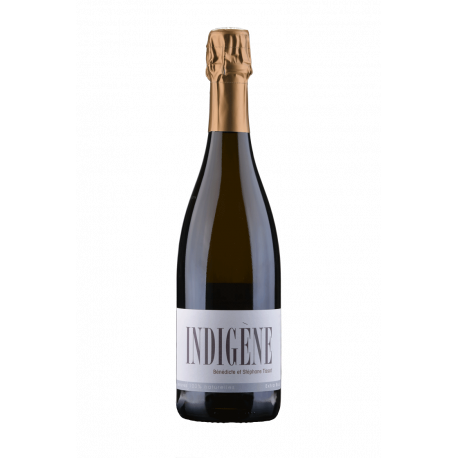
An awesome balance of freshness and oxidative character, a hint of honey aromas and richness reminiscent of the equally wonderful sparkling wines from the Chenin Blanc variety. Indigene does not want or resemble champagne in any way. The slow second fermentation in the bottle, which can last for over six months, contributes to the complexity of the wine,...