06218
Available / In Stock
Warning: Last items in stock!
Availability date:
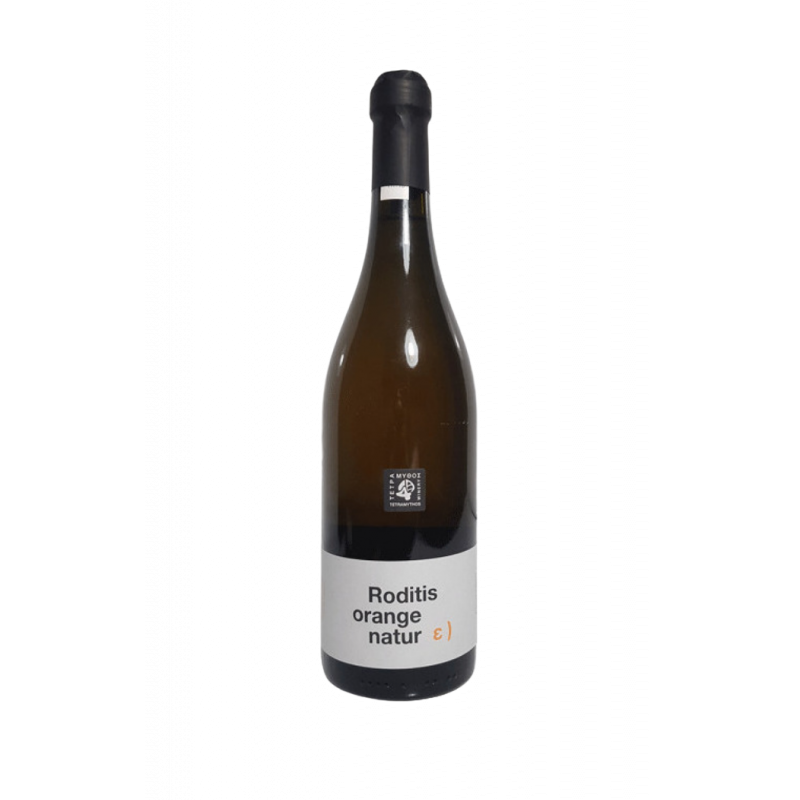
From the top mountainous terroir of Roditis to Aigialeia, Tetramythos winery is not limited to a classic white expression of the variety, but highlights a different, more multidimensional version through contact with the skins. The combination of altitude, poor limestone soils and low yields, together with a three-week extraction, gives the wine impressive depth, structure and complexity. Aromatically, it moves in notes of bitter orange and tangerine peel, ripe apricot and subtle botanical elements. On the palate it reveals a mildly tannic character with excellent freshness but also remarkable concentration and depth of taste. The characteristic minerality of mountainous Roditis is a reference point of wine and the combination of the above elements promises excellent aging in the bottle. It ideally accompanies a chickpea soup, grilled octopus, Asian flavors, revealing its intense gastronomic dimension.
The Roditis of mountainous Aigialeia proves its dynamics in both its white and orange expressions, with the latter standing out for the excellent balance between the tannic structure due to extraction and the depth of taste. The natural freshness and energy of the mountain terroir act as an ideal counterbalance, giving harmony and vitality. The vinification of Orange Roditis of Tetramythos follows a zero-intervention philosophy, with three-week extraction in clay amphorae and fermentation with indigenous yeasts. Maturation continues for 4–6 months in a combination of containers such as oval wooden foudres, cement and amphorae, which enhances the texture and complexity of the wine. The wine has a strong personality, full of freshness, energy, tannins and highlights a different side of the variety.
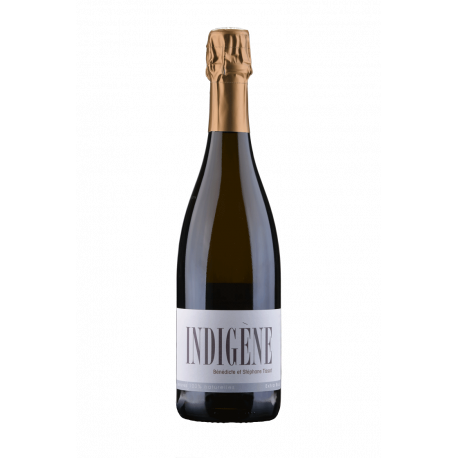
An awesome balance of freshness and oxidative character, a hint of honey aromas and richness reminiscent of the equally wonderful sparkling wines from the Chenin Blanc variety. Indigene does not want or resemble champagne in any way. The slow second fermentation in the bottle, which can last for over six months, contributes to the complexity of the wine,...