06295
Available / In Stock
Warning: Last items in stock!
Availability date:
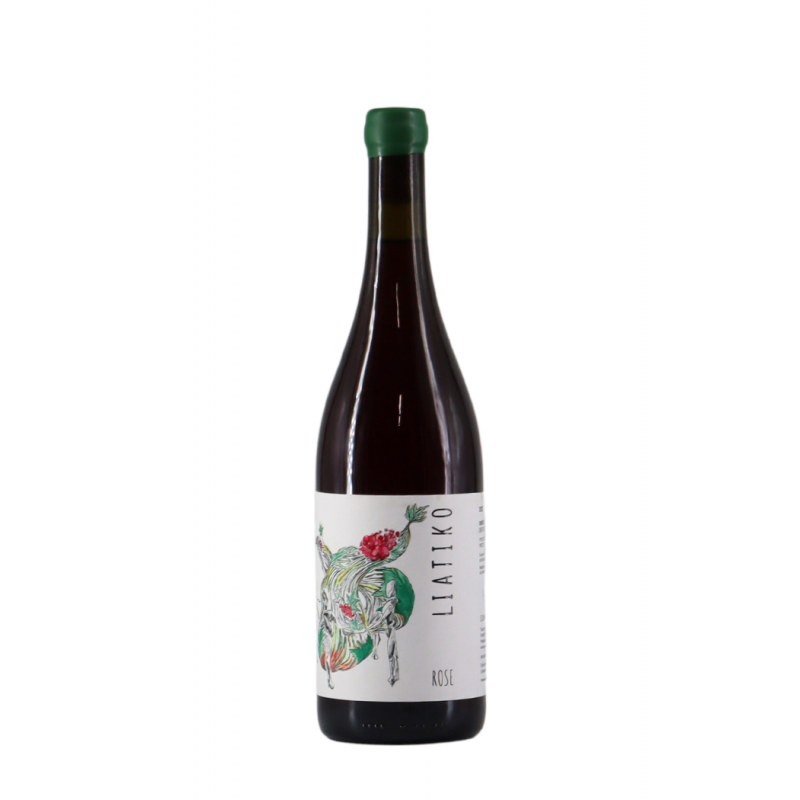
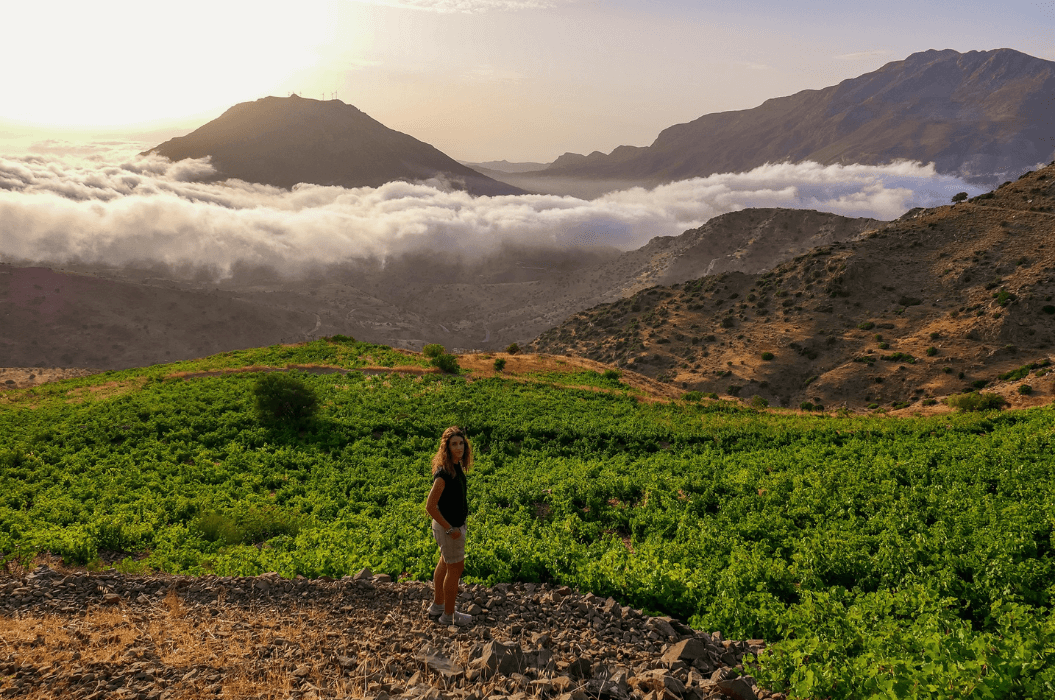
Iliana Malihin's commitment to highlighting the "treasures" of southern Rethymnon seems stronger than any form of difficulty. The great fire that wiped out (even for the time being) a large part of the old pre-harvest vineyards in Melambes led her to other paths. Seeking organic grapes in other villages of Rethymnon such as Fourfouras, Monastiraki, Platania, Vatos etc. he came in contact with extremely arid stumps in cup form of the Liatiko variety, aged 15-50 years. The new rosé she created is based on the same principles and philosophy that underlie all her wines. And while the wine may have been made off-schedule, it's a given that it's here to stay. A low-intervention gastronomic rosé with beautiful fruit reminiscent of cherry and plums, and a mouthfeel with mild tannins and grapefruit stypticity on the finish to balance the sweetness of the fruit.
A landmark wine that proves the strength and stubbornness of Iliana, who despite the difficulties due to the fire that destroyed a large part of her old vineyards, managed to "enchant" us again with her new rosé. In a blessed place where old goblets abound, Iliana turned to the great variety of Crete, Liatiko, in a rosé vinification that raises the bar. Liatiko rosé comes from field-blend vineyards and highlights the unique characteristics of the variety. 80% of the wine was extracted for 5 hours, while the remaining 20% was left in contact with the skins for two days. Indigenous yeasts, minimal sulphites, no sticking and 8 months of maceration with the lees gave substance, structure and depth to an excellent gastronomic rosé that will be enjoyed alongside oil dishes such as stuffed pasta, chicken with okra, green beans and many Mediterranean dishes.
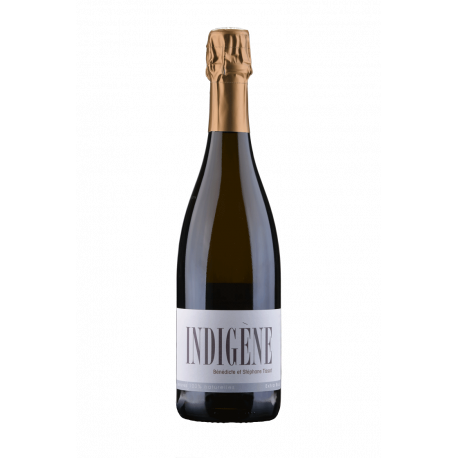
An awesome balance of freshness and oxidative character, a hint of honey aromas and richness reminiscent of the equally wonderful sparkling wines from the Chenin Blanc variety. Indigene does not want or resemble champagne in any way. The slow second fermentation in the bottle, which can last for over six months, contributes to the complexity of the wine,...