06484
This product is no longer in stock
Warning: Last items in stock!
Availability date:
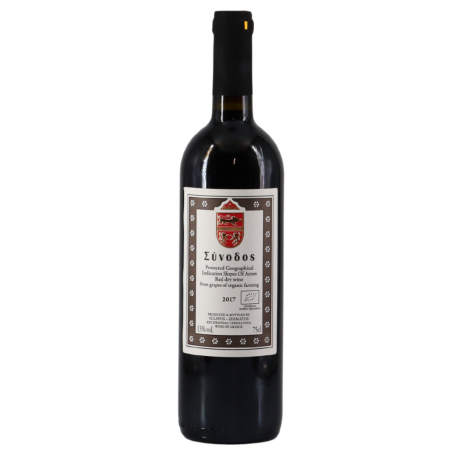
With perseverance and consistency, Markos Markovitis has developed his Naoussa over the years into one of the region's top wines. Having realized the quality limitations of the old family vineyard, he proceeded to completely replant it, seeking fruit worthy of his vision. This decision proved decisive, as a few years later we are now in the season when the new plantings are beginning to yield exceptional raw material. From then on, winemaking remained a simple affair: minimal intervention, spontaneous fermentation, and no barrels, so that the character of Xinomavro and the terroir could be clearly expressed. The wine stands out for its exciting immediacy and purity of fruit, delicately reflecting the variations of each vintage. It almost always achieves the ideal balance between the power and finesse of the variety, with elegant, typical tannins, a solid structure, and a silky texture that offer a delightful, perfectly balanced mouthfeel.
Classic Xinomavro on the nose, with aromas of ripe cherry, strawberry, and forest fruits, while hints of tertiary characteristics begin to emerge discreetly. The wine comes from the single-varietal vineyard surrounding the estate, with relatively young vines that have now completed the replanting of the family vineyard that began at least a decade ago. On the palate, it is attractive and expressive, with a structure that honors the variety: the tannins are robust but extremely well integrated, lending balance and depth. It is a wine that requires time and food pairing, but remains enjoyable from its very first steps. An elegant, purebred Xinomavro, immediately accessible, with finesse and intensity, which at the same time promises impressive development over time.
An awesome balance of freshness and oxidative character, a hint of honey aromas and richness reminiscent of the equally wonderful sparkling wines from the Chenin Blanc variety. Indigene does not want or resemble champagne in any way. The slow second fermentation in the bottle, which can last for over six months, contributes to the complexity of the wine,...