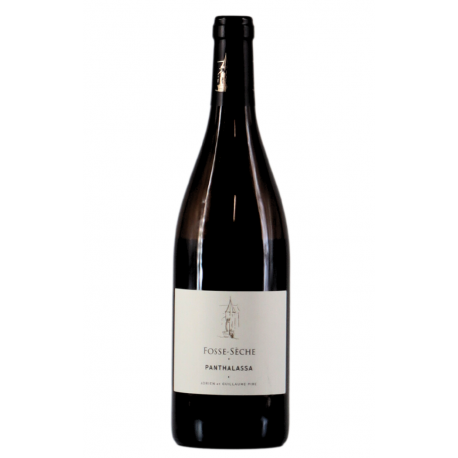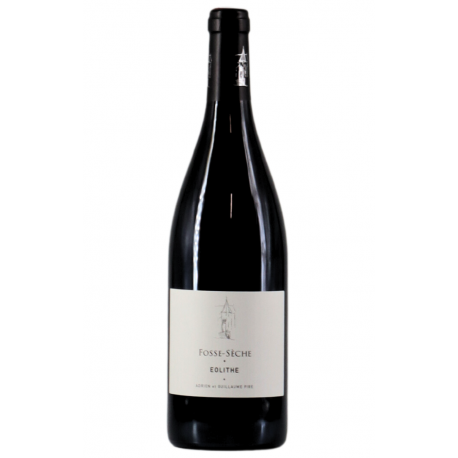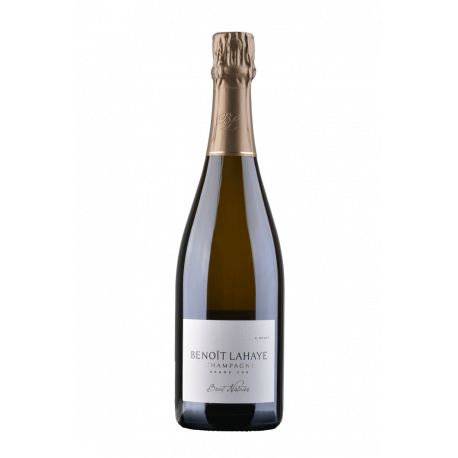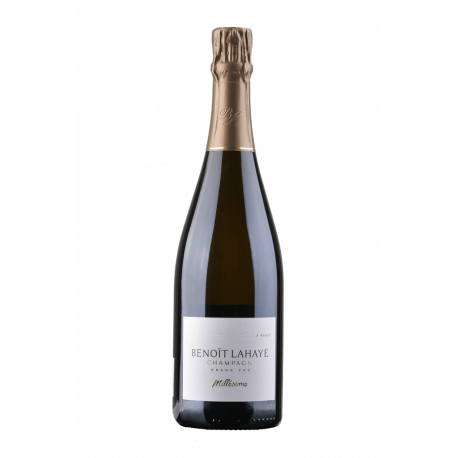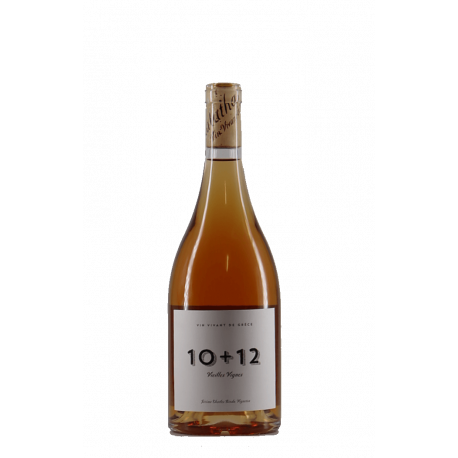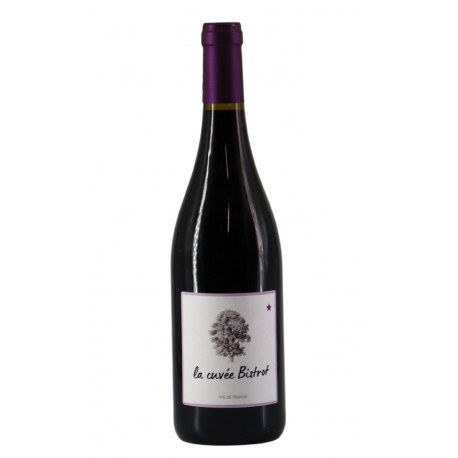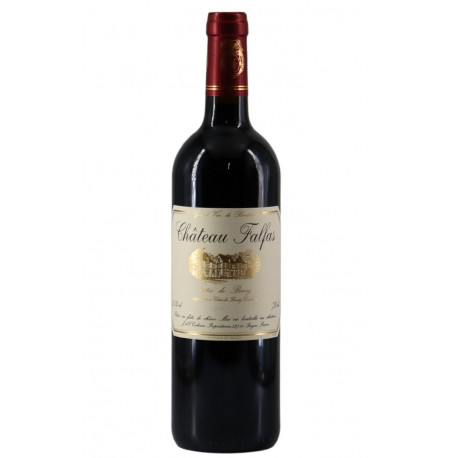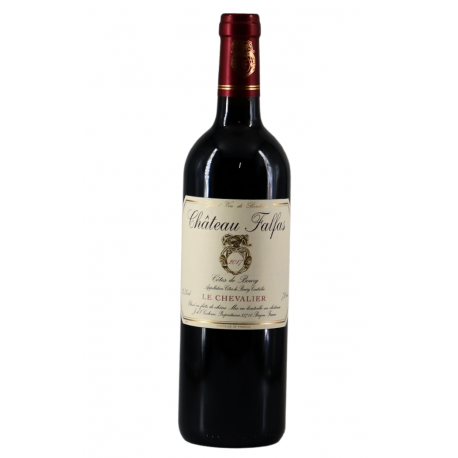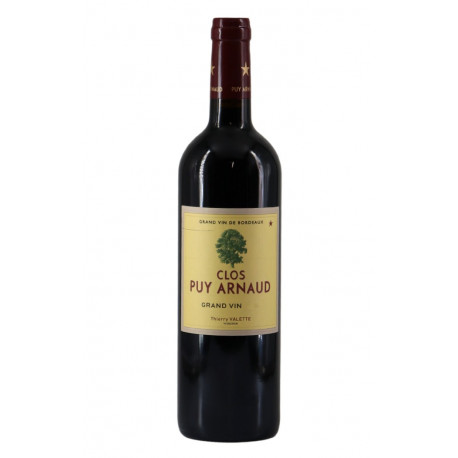
To the east of the famous D974, the vineyard is located on sandy soils with several stones and the old vines have extremely complex genetic material from mass selection which seems to be able to produce fruit with intense aromas. The tannins have excellent structure, as fine as cigarette paper, but "layered" on multiple levels that make it seem more...
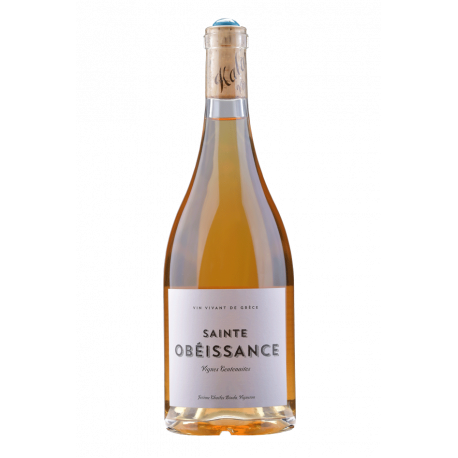
Mavrodaphne “Monabeles” is produced from the estate's own biodynamic vines. The very old stumps give a highly concentrated fruit, with an unrelenting intensity on the nose reminiscent of plum, spices, herbs and animal notes. The wine is produced with indigenous yeasts, very low sulphite levels and matured for 12 months in old oak barrels of 500lt...
The multiple small vineyard plots have not been subjected to any chemical intervention except for the addition of sulphur in some of the vineyards. Each vineyard is vinified individually with their indigenous yeasts, with no sulphites added, and the malolactic is spontaneous as well. The wine will be aged in a combination of 228lt neutral barrels as well...
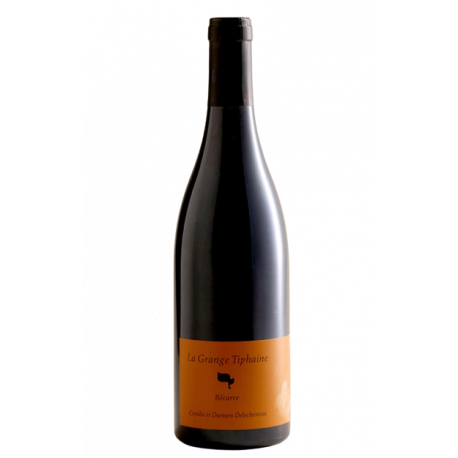
Fruity and floral notes – think violets, green pepper, and hints of cherry and plum. The fine tannins give the wine a serious dimension, while finesse and elegance run through its entire range to the gently phenolic finish. The stems were removed by hand and extraction lasted a total of three months in 420-liter clay amphorae. It then remained for another...
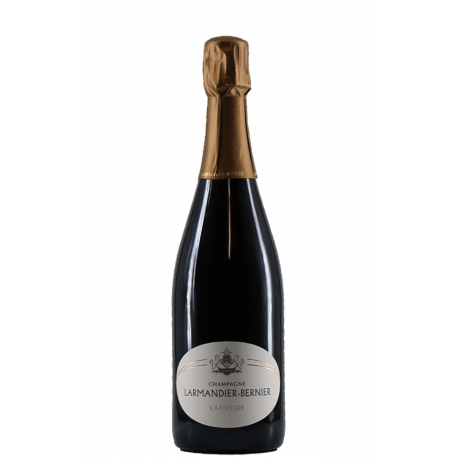
Exquisitely lively without being austere with red fruit aromas like framboise, strawberry and noted of toast, brioche and butter. 10% Chardonnay is added to the blend in order to reduce the power of Pinot Noir on the palate where you get exceptional spicy character and a small hint of tannins. Minerality and acidity seem etched with a laser-like precision...
A rosé champagne with the depth and personality one expects from a red Pinot Noir grown in the grand cru of Bouzy. Beautifully juicy on the fruit and with excellent concentration, elements that then lead to a mouthfeel with a slight tannic dimension from the contact of the base wine for at least 2-3 days with the skins, which is where it gets its colour...
Fermentation with native yeasts exclusively in old Bordeaux and Burgundy oak barrels. The wine underwent malolactic fermentation in barrel and was bottled for the second fermentation in June 2014. There it remained in contact with the lees until September 2018 before sediment was removed and just 4gl/lt of dosage was added to classify it as an extra brut...