Rose
Edenia Fuxia comes from 70% Limniona and 30% Zalovitiko grapes, grown in Kalogries, at an altitude of 320–340 meters and a slope of 13%. The two varieties are blended after 4 hours of pre-fermentation maceration before pressing. Fermentation is spontaneous, with indigenous yeasts, 90% in stainless steel tanks and 10% in second-use French barrels. After...
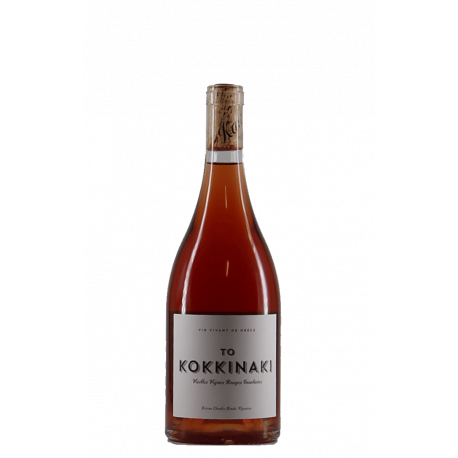
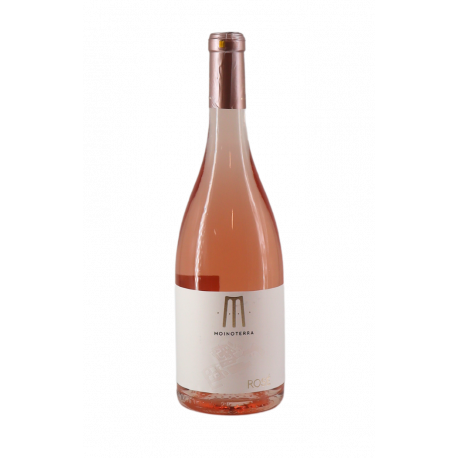
Low yields, organic farming and the daily presence and involvement of Michalis Tsafarakis in the vineyard he loves so much are key points in the quality of the wines he produces. Only 1400 bottles are produced from this excellent rosé which is pressed directly as soon as the grapes are broken to get just enough colour. Pre-fermentative maceration at low...
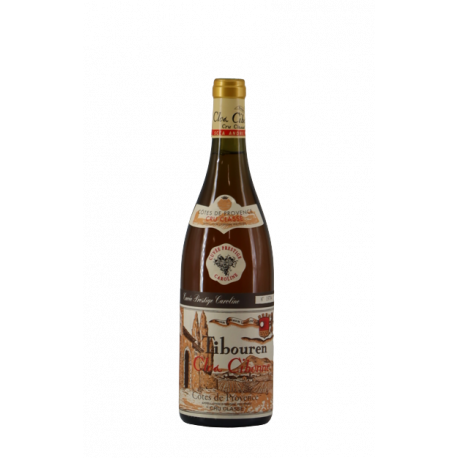
Caroline is the daughter of Claude and Brigitte, André Roux's great-granddaughter, and the youngest generation of Clos Cibonne along with her brother Olivier. The Cuvée that bears her name is produced from grapes that are pressed immediately after the morning harvest and transferred to stainless steel tanks where fermentation takes place with indigenous...
The rosé bio is vinified in stainless steel tanks using indigenous yeasts, following the gentle, natural winemaking approach that Sklavos applies to all his wines. Interventions are minimal, and total sulphur levels are kept low—just 50ppm. This alternative interpretation of the Mavrodaphne variety results in a rosé with refreshing acidity, a fairly...
Le Rosé is a pure, natural expression of the Xinomavro grape from Pella, crafted according to the Ligas family’s philosophy of minimal intervention. The grapes come from 20-year-old vineyards, organically cultivated using permaculture principles, on limestone and clay soils. Vinification follows the rosé de saignée method, with 24 hours of maceration in a...
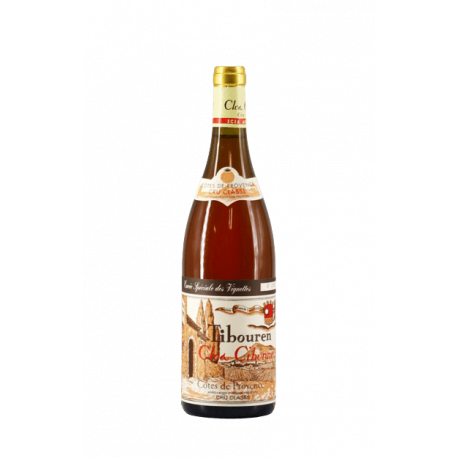
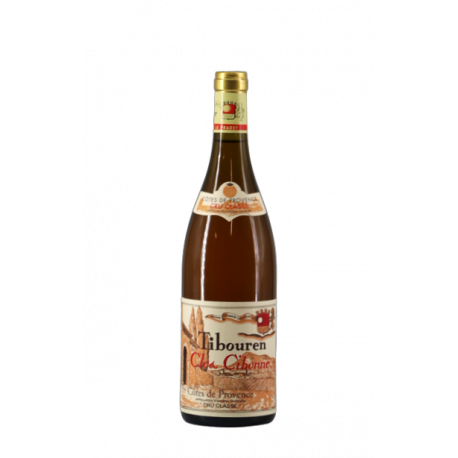
Here, the distinctive and unique style of Clos Cibonne reaches its apotheosis. One of the estate's top bottlings, from very old vines aged 60-70 years from the region's ancient Tibouren variety, with a small 10% Grenache component. Volume, thickness, richness and complexity of spice, quince spice, orange peel, saffron and dry fruit characters, with...
One of those wines that exerts a “spiritual charm” over you. Its beauty lies in its unconventional character. Nothing you’d expect from a Mediterranean red wine, but rather a perfect embodiment of the potential of the Tainian terroir in terms of freshness and elegance. A natural wine with no sulfur at all, which directly highlights the fruit and floral...
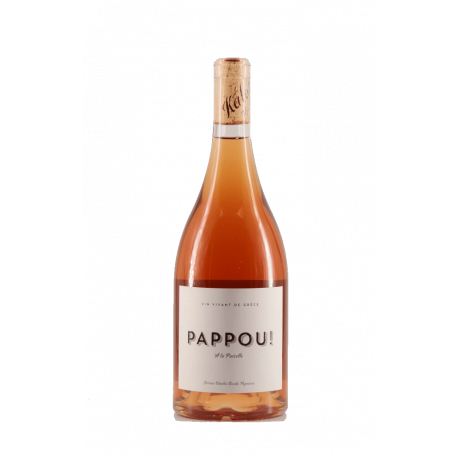
White Potamisi and Rozaki, blended with 20% of the red Mavro Potamisi, are harvested simultaneously from the vineyard, co-fermented, and left in contact with the lees for one year. Pappous, like all Domaine de Kalathas wines, is bottled without the addition of sulfites. Mineral notes, Mediterranean herbs, and oxidative notes—more spicy than...
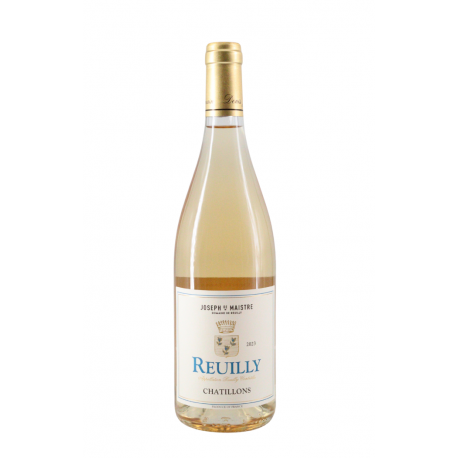
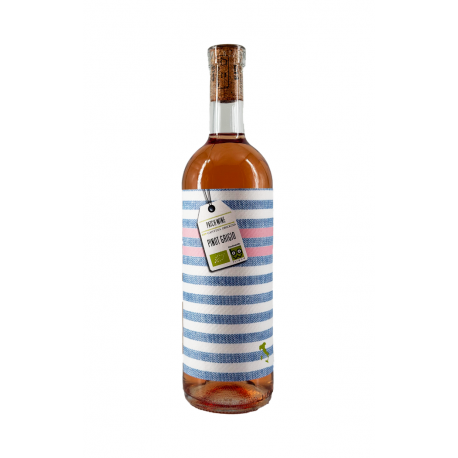
"Le Chatillons" is produced from vineyards in soils characterised mainly by gravel. The Pinot Gris is harvested early in order to preserve the freshness of the grapes. The nose "blooms" with a bouquet of crisp red fruits, rose petals and citrus fruits reminiscent of saguarine. Very elegant and soft on the palate, with lively fruit acidity and spicy notes...
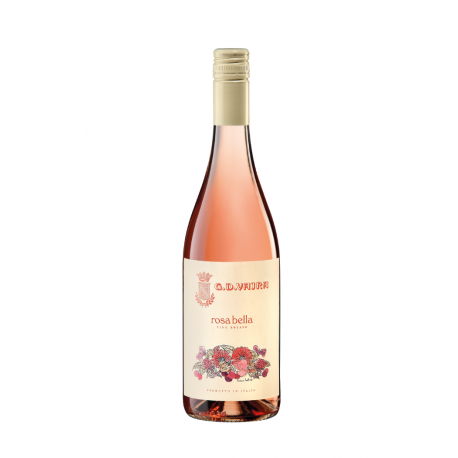
Rosabella is a dry rosé wine made primarily from Nebbiolo, blended with small amounts of Dolcetto, sourced from young, organically farmed vineyards surrounding the winery. Harvesting takes place relatively early, with the aim of preserving high acidity, freshness, and aromatic purity. Part of the Nebbiolo is vinified using the saignée method (brief...
White Potamisi and Rozaki, blended with 20% of the red Mavro Potamisi, are harvested simultaneously from the vineyard, co-fermented, and left in contact with the lees for one year. Pappous, like all Domaine de Kalathas wines, is bottled without the addition of sulfites. Mineral notes, Mediterranean herbs, and oxidative notes—more spicy than...