Rosé Fleur de Pinot is based on very old Pinot Noir vines with a percentage of about 5% of Pinot Beurot (Pinot Gris). Sylvain considers the fruit from the three old vineyards to be the best overall from the estate. About half of the grapes are pressed directly with the whole clusters, while the remaining half undergoes 36-48 hours of juice maceration with...
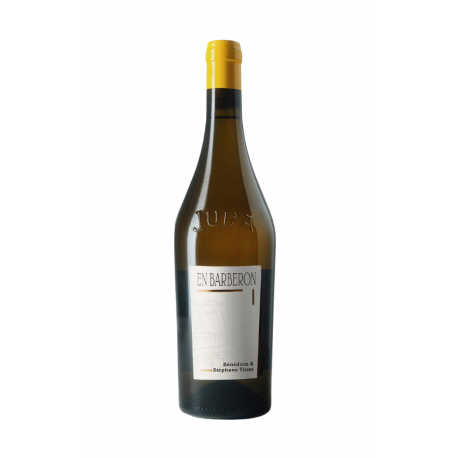
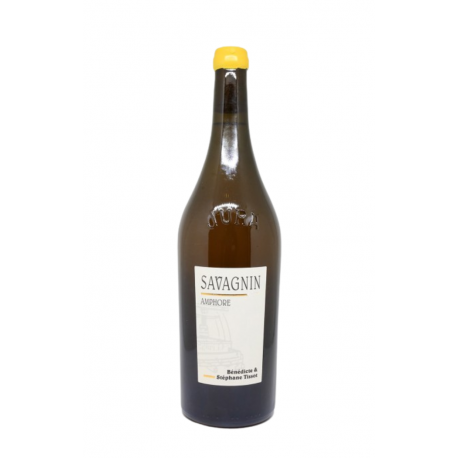
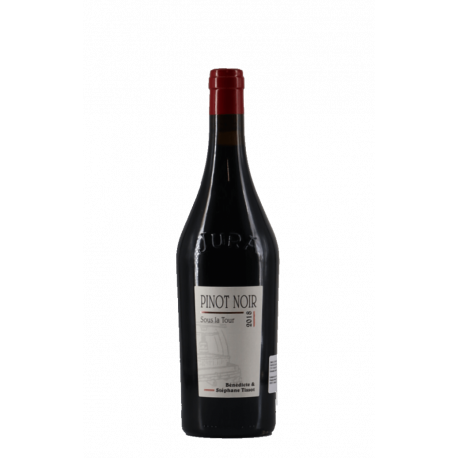
The care of the old stumps is proverbial, they are ploughed only with the help of a horse, they are not "trimmed" in the summer but the result in the quality of the fruit is stunning. The cultivation of the vineyards is biodynamic, the fermentation is spontaneous in oak barrels where the wine will remain for 24 months before being bottled with minimal...
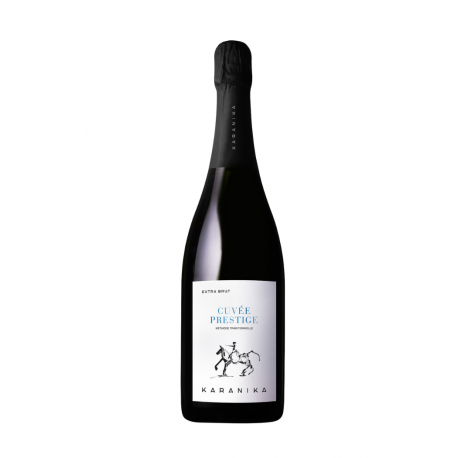
The Cuvée Spéciale Brut from the Karanika estate is produced using the traditional method of secondary fermentation in the bottle from 98% Xinomavro and 2% Asyrtiko, sourced from organic vineyards on the Amyntaio plateau at an altitude of 650 m. The soils are 60% sandy and 40% clayey, while the cool continental climate maintains high acidity and aromatic...
Karanika Cuvée Rosé Extra Brut is made from 98% Xinomavro and 2% Limniona, organically grown in vineyards in Amyntaio at an altitude of approximately 650 meters. The pre-phylloxera vines of Xinomavro are located in the sub-zones of Sioska, Nivigratsko, Bara, Petres, and Pedino, while the Limniona comes from Levea. The climate is continental, with cold...
Patchwork comes from five different vines with the oldest of them planted in 1962. Fermentation is spontaneous and maturation takes place in 228lt French barrels, 10% of which are new. Burgundian style, closer to the nerve of a Puligny-Montrachet, with expressive fruit around a core of tobacco, yeast and minerality. Medium-bodied, elegant and lacy on the...
On some very old vines located in a slopping site of Bouzy, next to Pinot Noir, Chardonnay and Pinot Meunier, exist varieties like Pinot Gris, Arbanne, Petit Meslier and Pinot Blanc that used to thrive in Champagne. Benoit himself hasn’t yet managed to identify all the varieties of this specific plot (among them and some not allowed any more in Champagne...
Crémant du Jura Blanc de Noirs comes from wines from two different vintages, 2020 and 2021. The Pinot Noir vines are planted on clay and limestone soils with a south and west orientation. The 45-year-old vineyards have been cultivated organically and biodynamically since 1999, with limited interventions and the use of their own compost. Harvesting is done...
The character of Sangiovese raises gloriously out of the glass. Black and red cherry, plum, tea leaves, dried herbs and box of tobacco aromas and cedar all lead to a complex palate, rich and with length but at the same time fresh and with energy. For yet another year tannins of outstanding texture that unveil in the glass and form the backbone of the wine...
The nose is rich and hedonistic, with the typical “signature” of Xinomavro in full display. On the palate, however, the experience gains more tension: the variety’s characteristic “bite” is present, though not sharp — more of a reminder of its true identity. Neither rustic nor modern, the wine strikes a flawless balance between fruit and structure. A...
Let’s set aside any marketing gimmicks and focus on the essence of the matter. The two micro-batches of Kallos from 1979 Wines, from the 2023 vintage, are two stunning and fascinatingly different Retsinas. Initial research highlighted the quality of the aromas from a retsina harvested sustainably, and in a second phase, by taking this pure retsina—capable...
Edenia Luna is a wine made from 100% Limniona grapes, produced organically with minimal intervention. And why would anyone want to interfere with the low-yield, exceptional quality fruit produced by the semi-mountainous rocky vineyards of the Tsililis Terres winery in the heart of Meteora? The vinification is spontaneous and the wine is aged for 12...