Λευκό ήσυχο ξηρό
Un 1er Cru en Bourgogne est toujours une affaire très sérieuse, et Grésigny, situé dans la partie sud-ouest de Rully, compte parmi les meilleurs climats classés 1er Cru de l’appellation pour le Chardonnay. Grâce à une viticulture biologique et biodynamique et au soin attentif de Pierre de Benoist, la santé de ce vignoble de 80 ans est remarquable. Le...
The Les Margotés 1er Cru is one of the winery’s most recent investments in the vineyards of Rully, with a southeast exposure, and was vinified for the first time in 2015. For this wine, Pierre de Benoist uses oak foudres both for vinification and ageing, which lasts a total of 18 months. Whole-bunch vinification brings exceptional purity and elegance to...
Given that the use of the term "naturel" is prohibited in the regulations governing appellation contrôlée, back in 2007, the producers of Montlouis-sur-Loire managed to create the pétillant-originel category for these very wines (pét-nat) and became the first appellation in France to essentially legislate this particular style. The production method is...
Ronceray is a wonderful step-up in complexity and intensity from the simple, but also beautiful" Anjou Blanc from Chateau de Plaisance. Harvesting on the Chaume hill is manual and after a gentle cold pressing of the grapes, fermentation takes place with indigenous yeasts. 30% of the wine is matured in Burgundy barrels for 12 months and the barreled part...
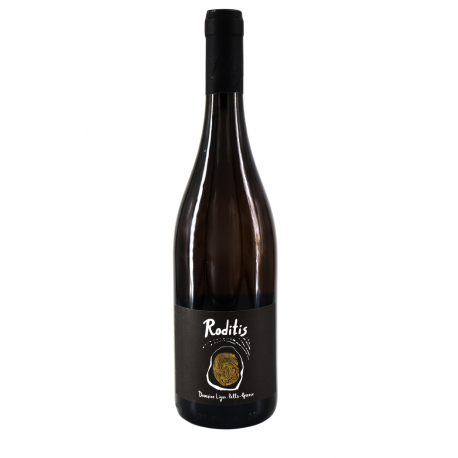
A natural Roditis wine sourced from organic permaculture vineyards at an altitude of 90 meters, with limestone and clay soils. The grapes are harvested by hand, followed by destemming and maceration with the stems for approximately 2 days in a stainless steel tank. The must is transferred to a stainless steel tank, where fermentation is completed with...
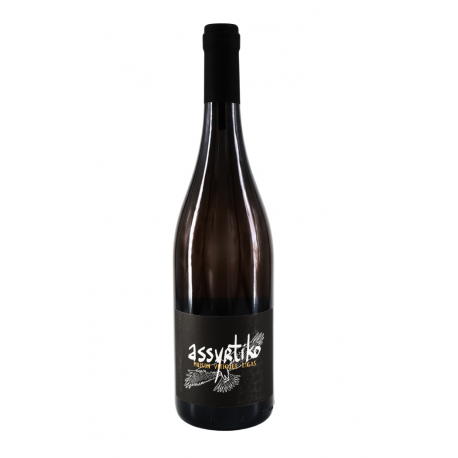
Asyrtiko Barrique comes from 18-year-old vineyards in Pella, planted in limestone, clay, and granite soils, with a north–south orientation and cultivated organically using permaculture principles. The harvest is done by hand, and fermentation takes place with indigenous yeasts. This is followed by maceration with whole grapes for 7 days in a stainless...
100% Kydonitsa grapes undergo orange maceration with whole berries, which are left to macerate for 7 days in stainless steel tanks. It is then transferred to 400L Austrian oak barrels, where fermentation is completed, and it remains there in contact with the lees for 6 months before bottling. Exotic fruits and floral notes on the nose, a nutty character...
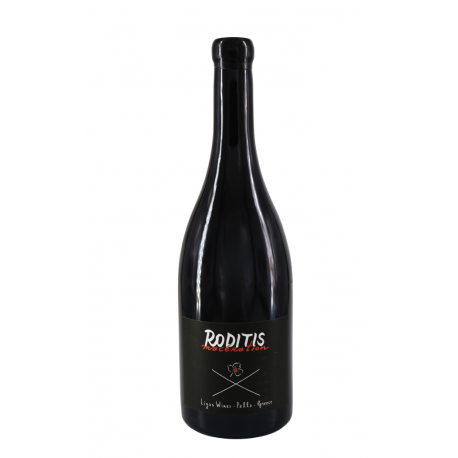
Roditis Maceration is an orange wine made from 100% Roditis grapes, sourced from 18-year-old vineyards at an altitude of 150 meters in Pella, with limestone, clay, and sandy soils and a north–south orientation, cultivated organically using permaculture principles. Harvesting is done by hand, and vinification follows a non-interventionist approach, with...
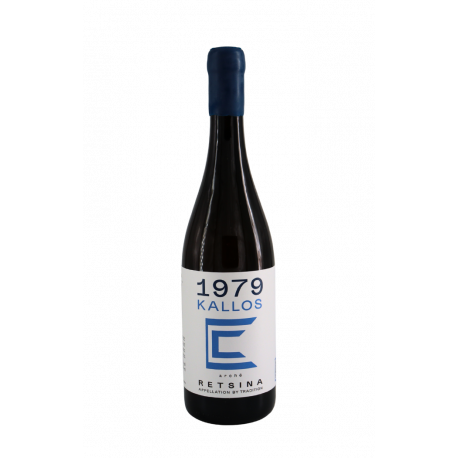
“The Arche” is both an end and a starting point; a moment that closes one cycle and opens a new one. The 2021 vintage, marked by the devastating wildfires that ravaged vast swathes of pine forest, gave its name to this reflection. The need to redefine our relationship with everything that gives life and identity to the land. The 1979 Kallos Arche 2021 is...
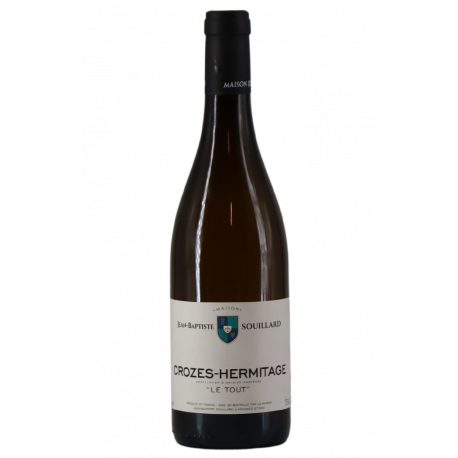
The old vineyard is located on a gentle south-facing slope, approximately 3.5 km northwest of the village of Crozes-Hermitage, at an elevation of 175 meters. The soil is primarily limestone, and the vineyard is surrounded by fruit trees, such as apricot trees, which contribute to the formation of a unique terroir. Winemaking involves direct pressing of...
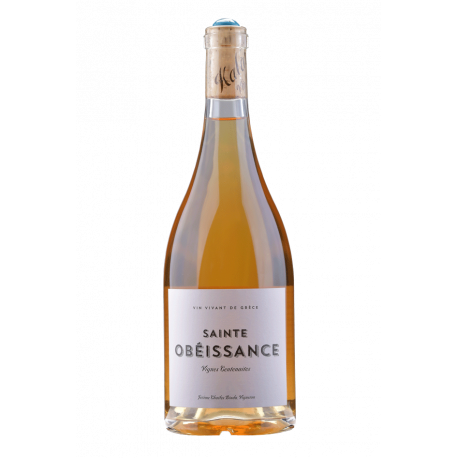
Its name in French comes from the small chapel located at the foot of the estate’s slopes. Despite its distinctive color, the wine was pressed directly in a vertical press from grapes of ancient vineyards of the Aspro Potamisi (80%) and Rozaki (20%) varieties, which were foot-crushed. The two varieties fermented separately with indigenous yeasts, and...
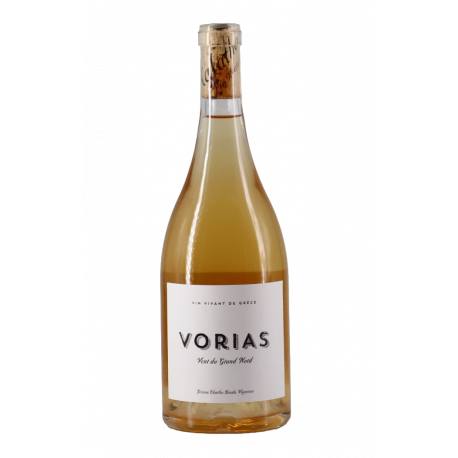
Since 2015, Jerome Binda has been producing Rosaki as a single-varietal wine in Voria, rather than just as part of a blend. Despite the variety’s reddish hue, the juice it yields produces a crystal-clear, golden wine, while the extended aging on the lees lends it complexity and enhances its salty profile. What it lacks in liveliness and acidity, it makes...